



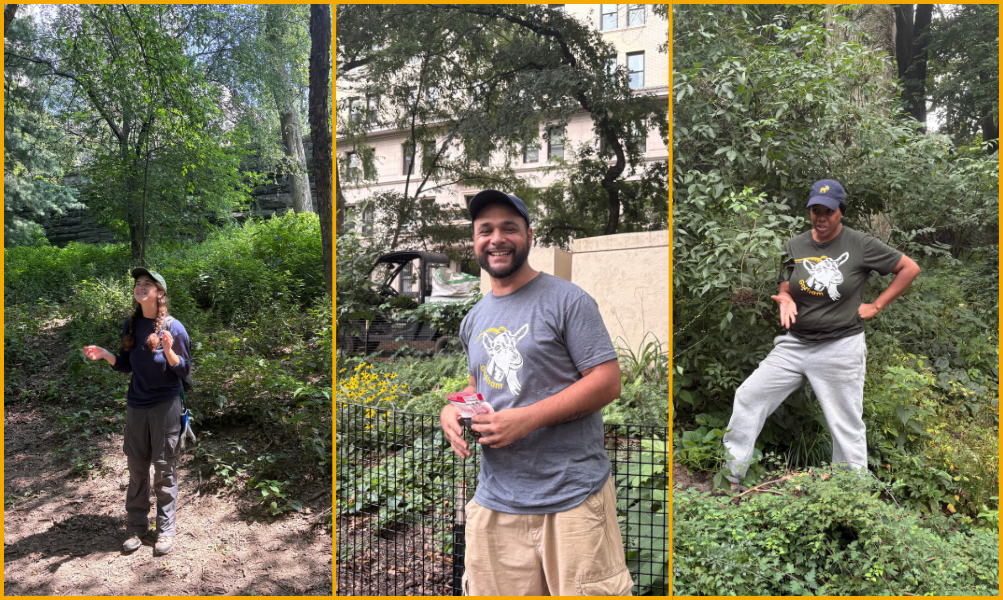
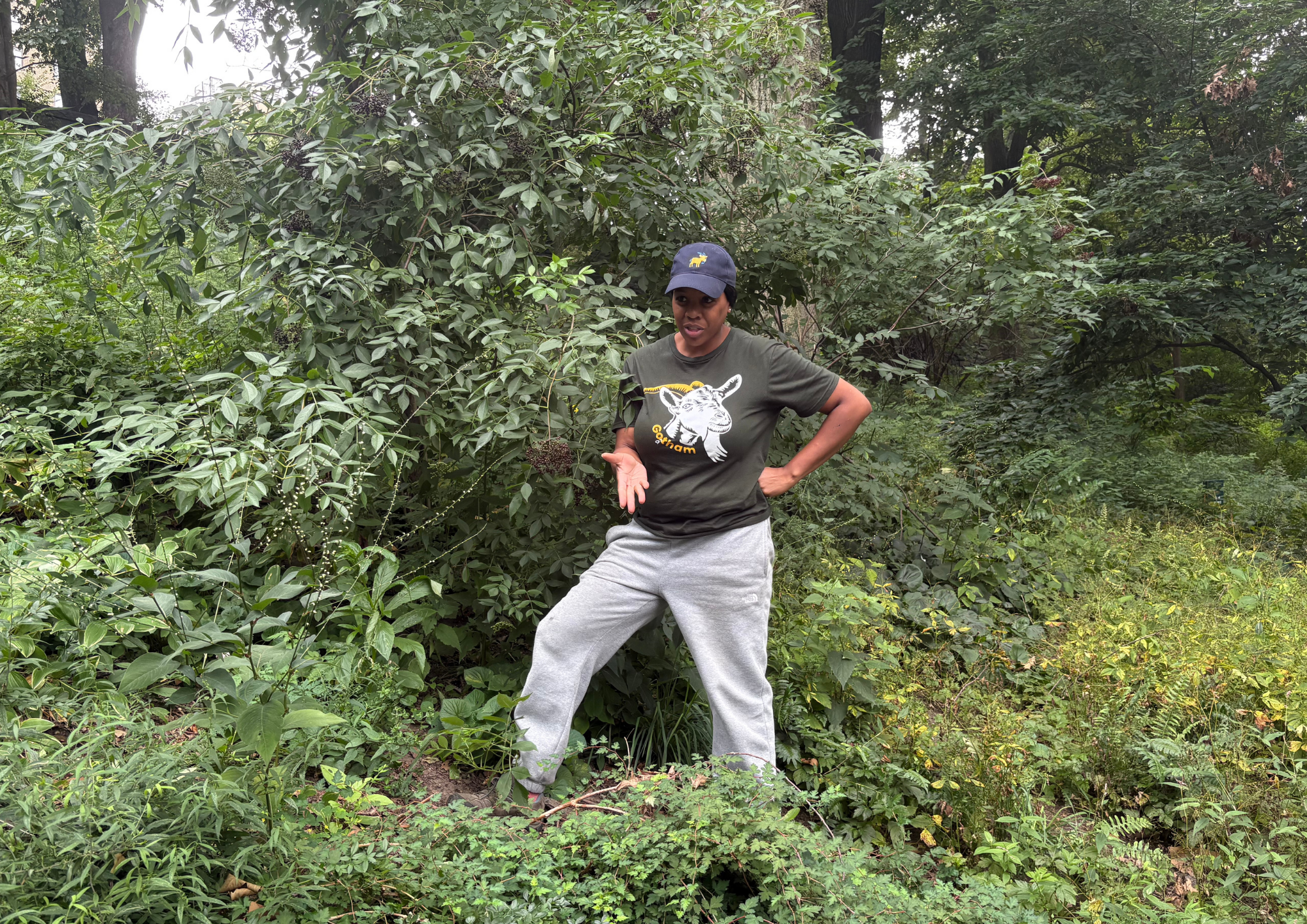
In August, Conservancy staff met for a garden “crawl” in the area of Riverside Park we internally call “Section 2” (between 96th and 125th Streets). Each Section 2 gardener highlighted a garden or area under their purview. It was wonderful to learn from each other, discuss shared challenges, get inspired, and show off the team’s hard work!
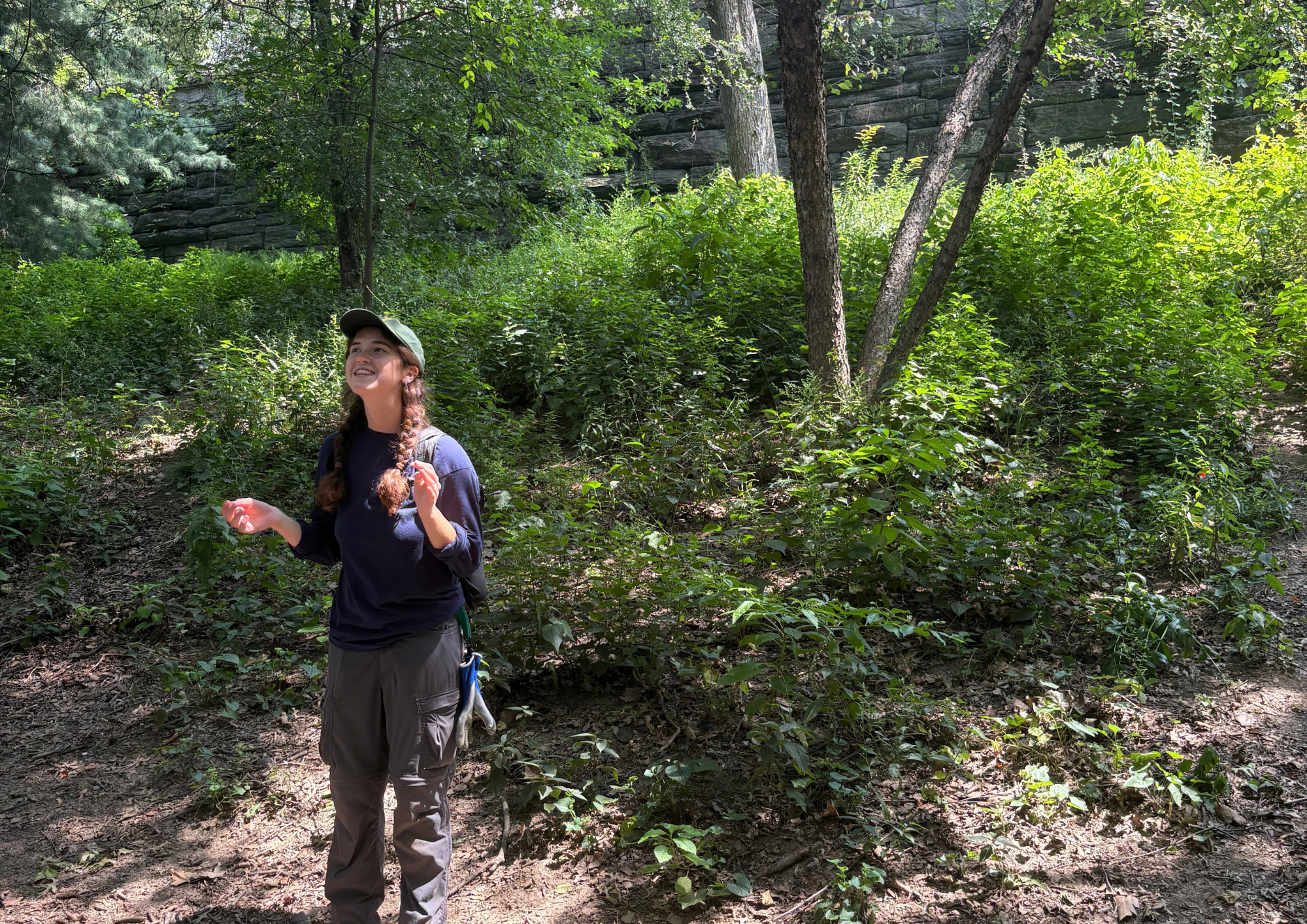
Section 2 Gardener
Lily
Favorite plant: Goldenrod, Virginia bluebells
Highlighted sections: 119th Street garden, 119th Street pollinator meadow
119th Street Garden
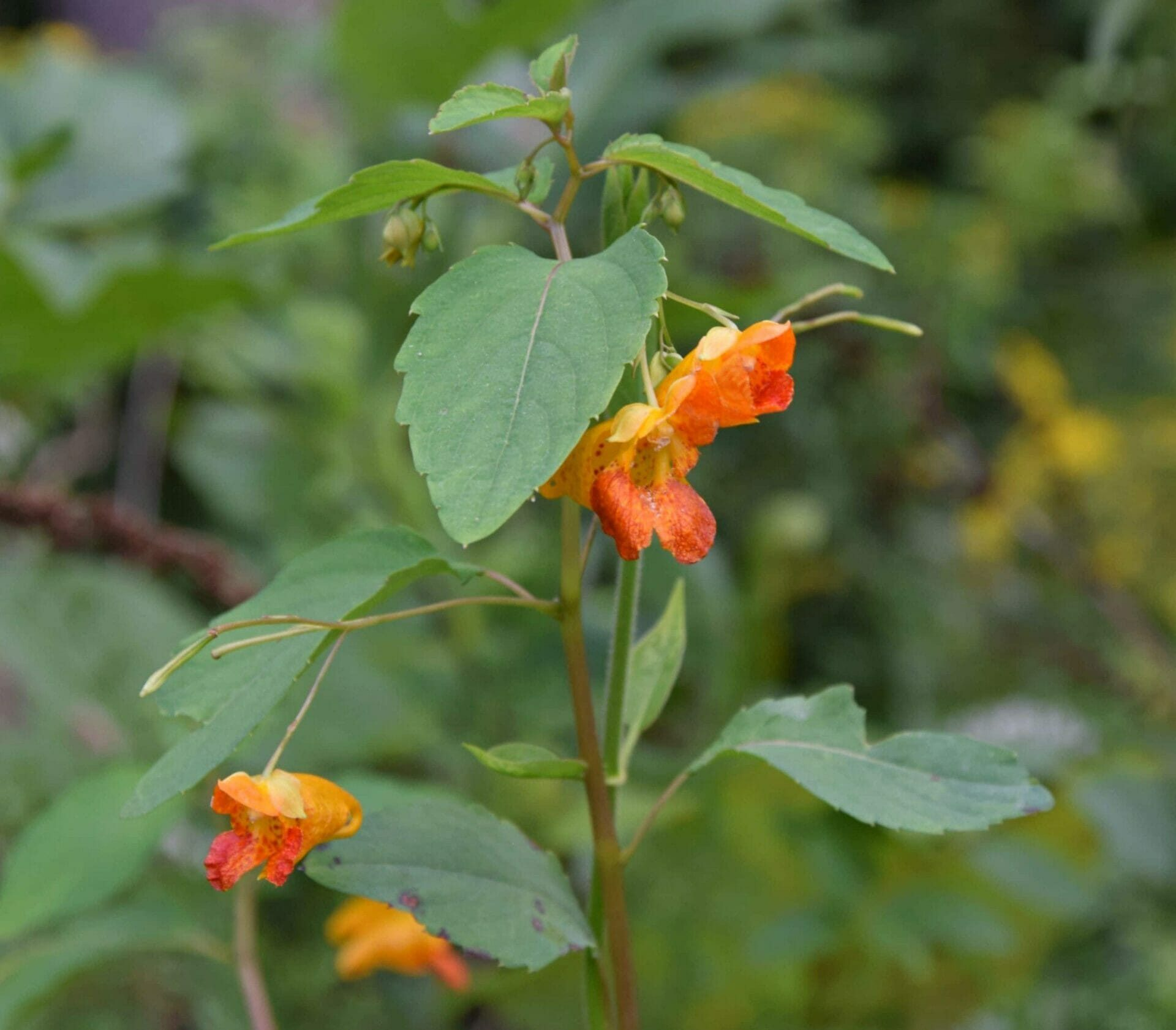
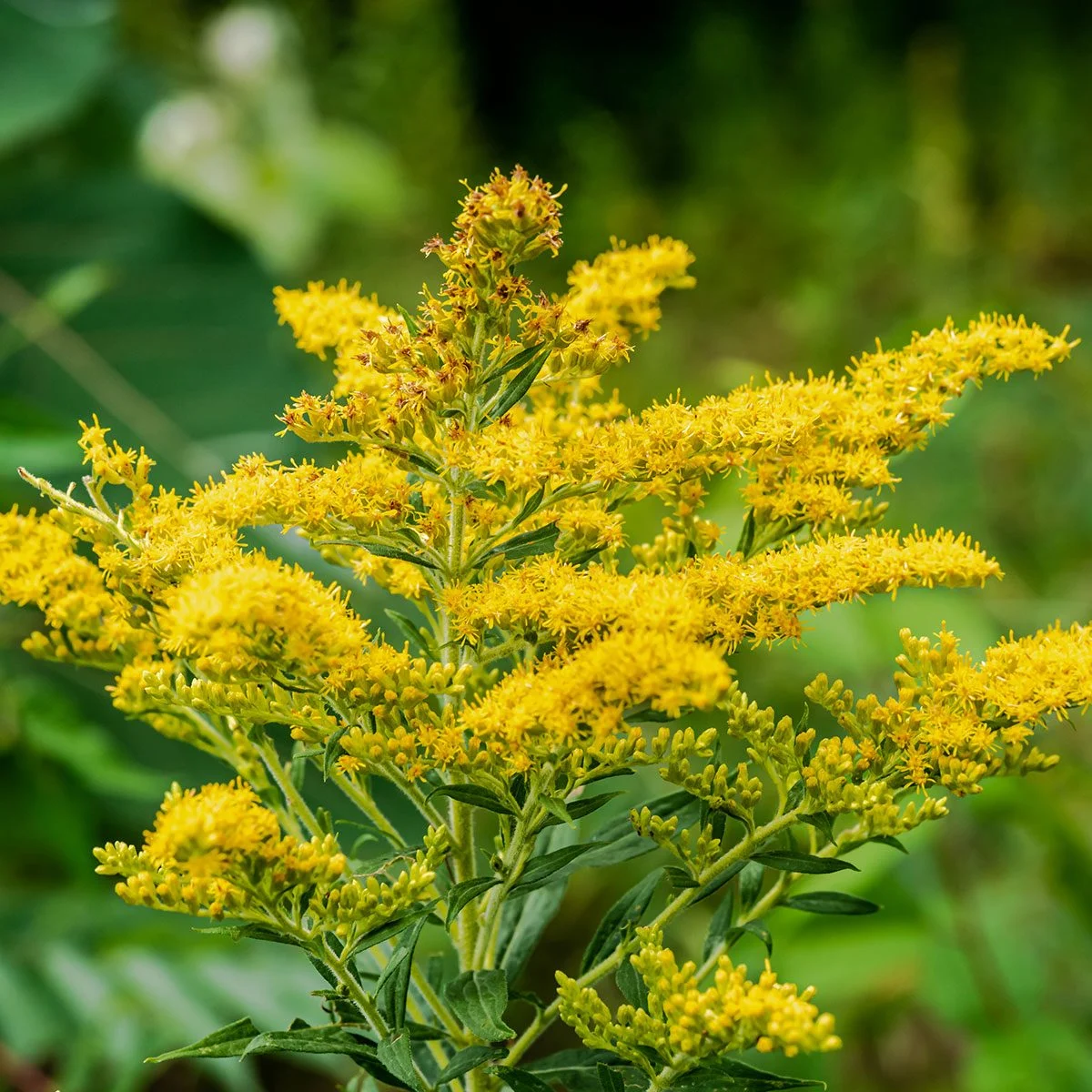
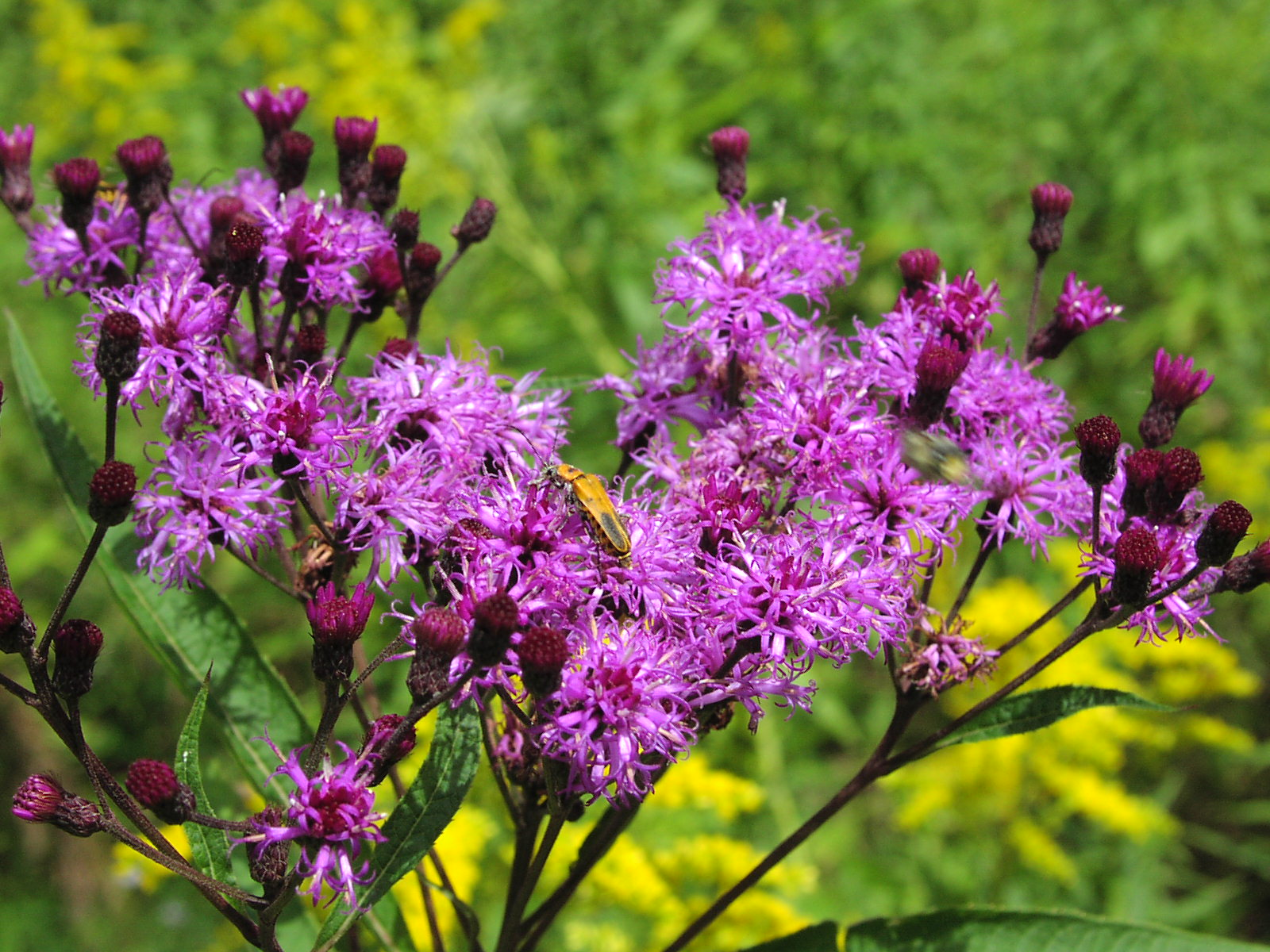
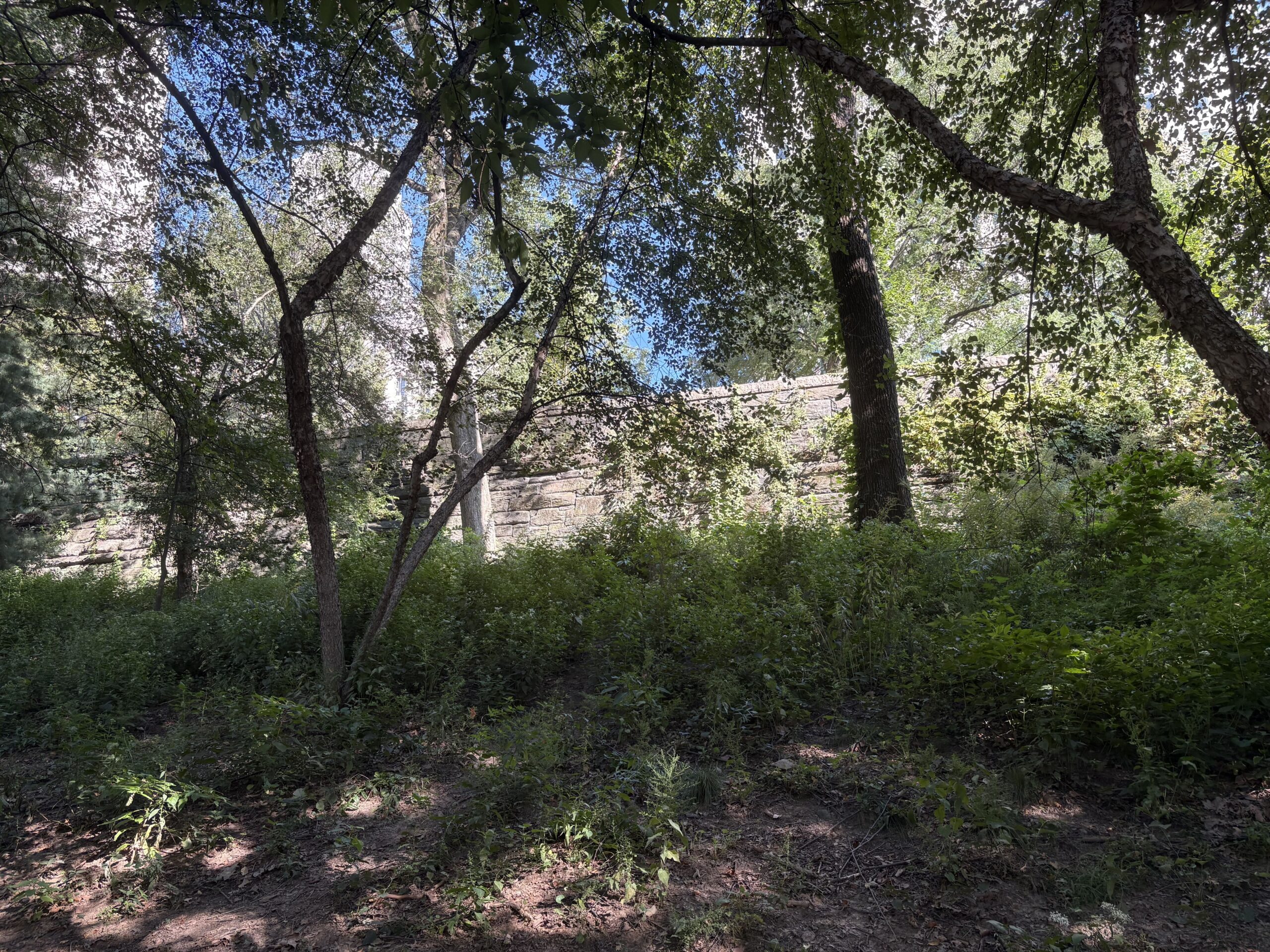 Last year, with the help of her team, Lily removed the overgrown invasive plants in this garden, mainly knotweed and mugwort. In doing so, they uncovered many good plants buried underneath, including ironweed (Vernonia noveboracensis), goldenrod (Solidago), and jewelweed (Impatiens capensis). They planted dogwoods and used a heavy layer of leaf mulch to nourish the soil and prevent the invasive plants from returning. Since this area is rich in wonderful native plants, it’s mainly been a matter of editing: choosing what to keep and what to remove to give the dogwoods some space to thrive.

119th Street Pollinator Meadow
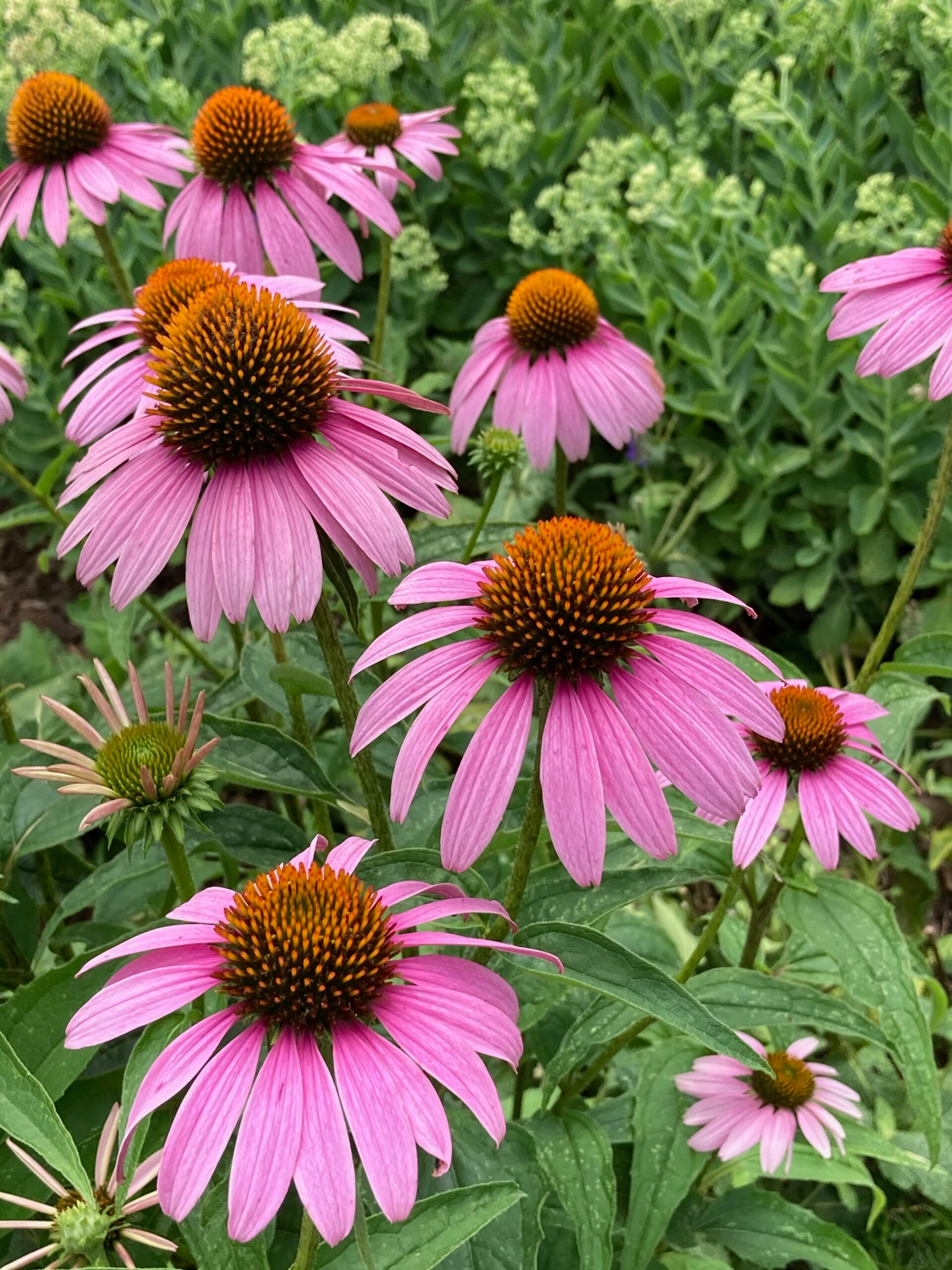
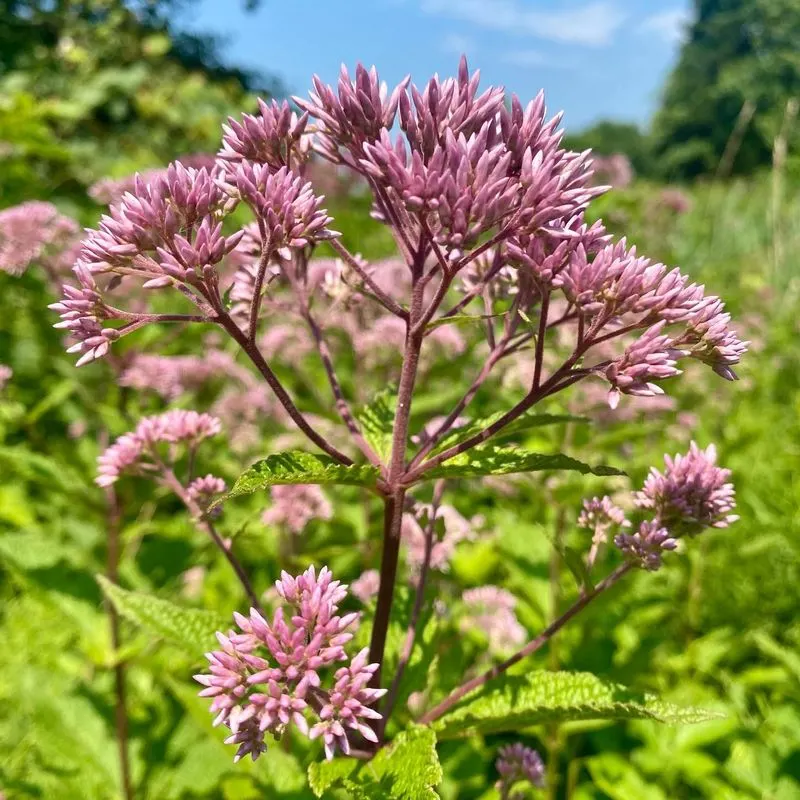
 Because this pollinator meadow is full of so much wonderful growth, Lily’s work here has been divided between pulling out invasive plants, weeding constantly, and seeding a little. Some highlighted plants include Joe-Pye weed (Eutrochium purpureum), ironweed (Vernonia noveboracensis), Black-Eyed Susans (Rudbeckia), and purple coneflower (Echinacea). The team has been experimenting with seeding: so far, just the partridge pea (Chamaecrista fasciculata), a native annual, has been working really well. But Lily’s hoping we’ll see more plants come up in the spring! To combat the invasives in this area, Lily’s strategy has been to get as much mugwort out as possible, and then alternating between removing porcelain berry and Japanese honeysuckle. Those she can also focus on in the winter, when they’re easy to spot.


Section 2 Gardener
Rob
Favorite plant: Yarrow
Highlighted sections: “Rob’s Garden”
“Rob’s Garden” on Riverside Drive island by 99th Street
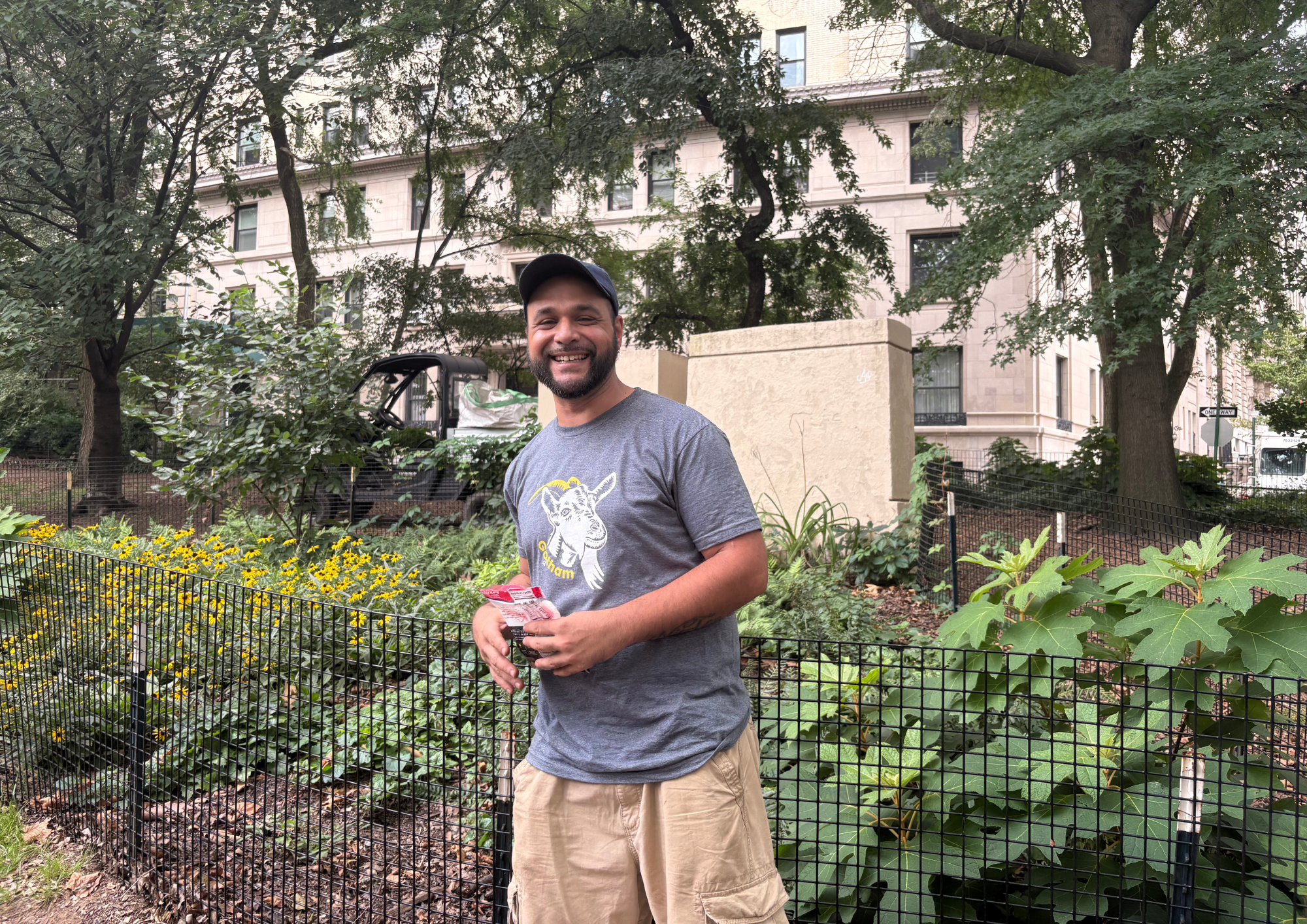
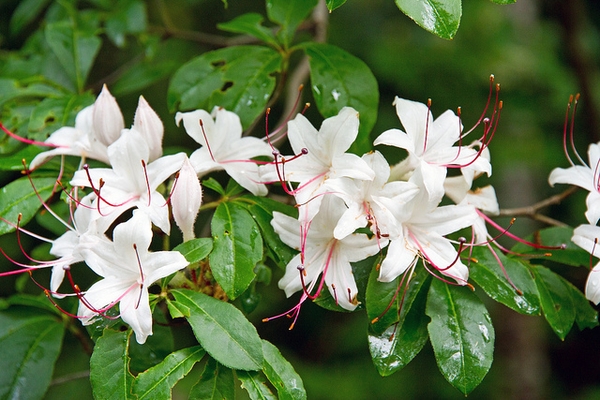
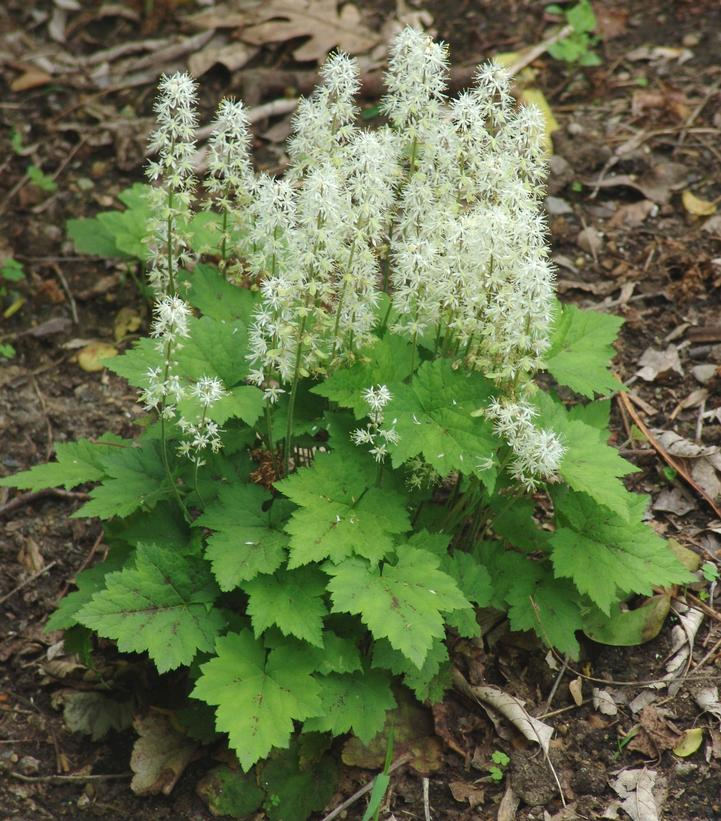
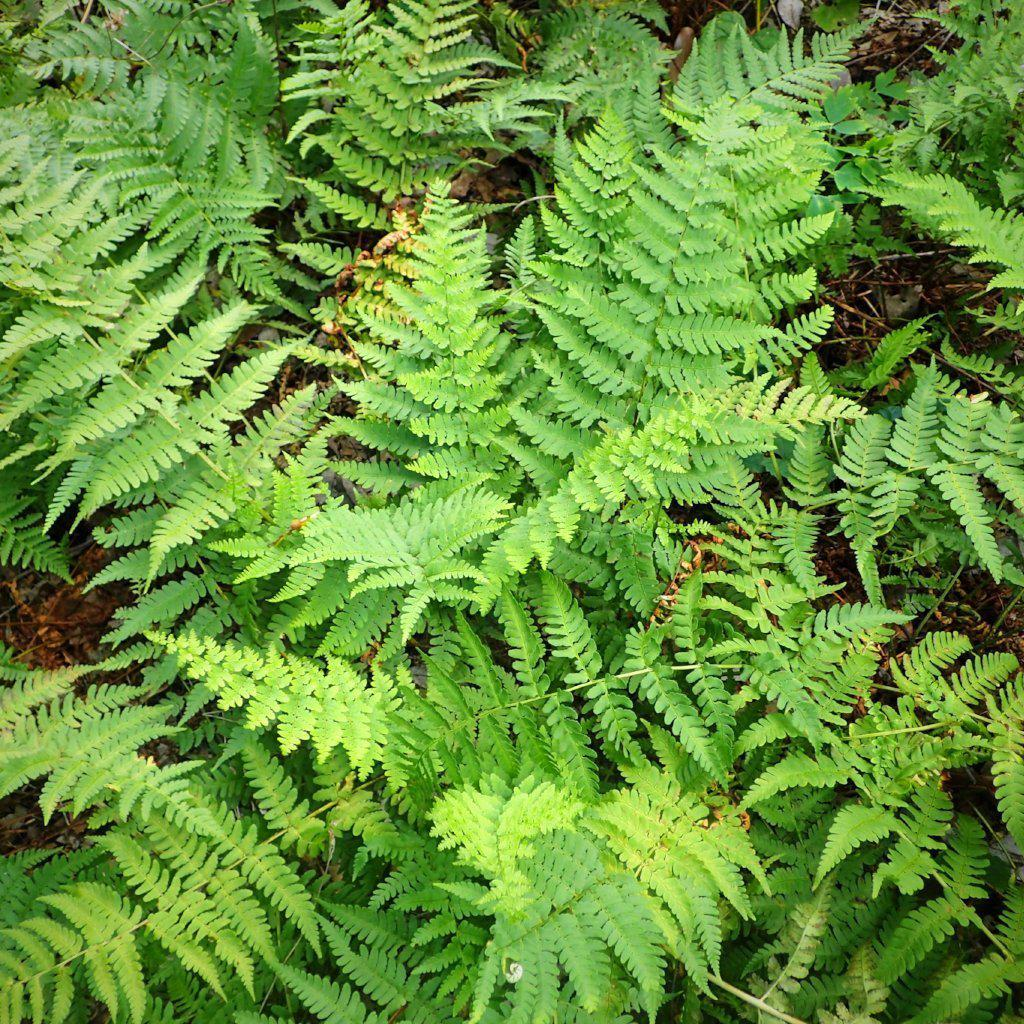
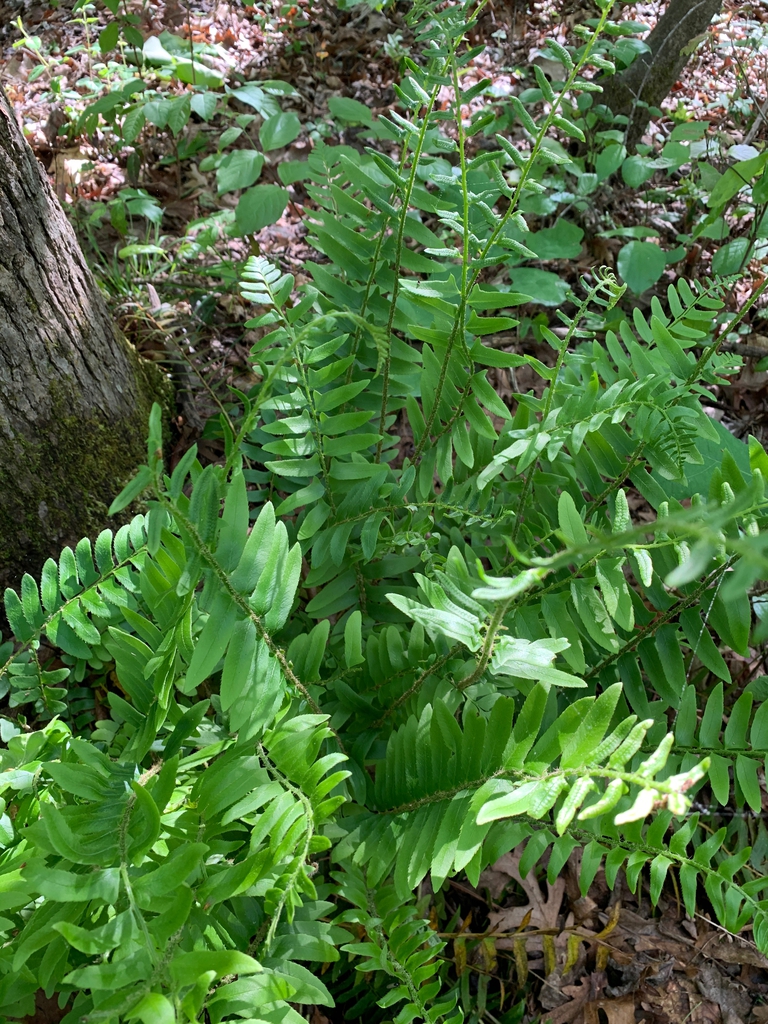
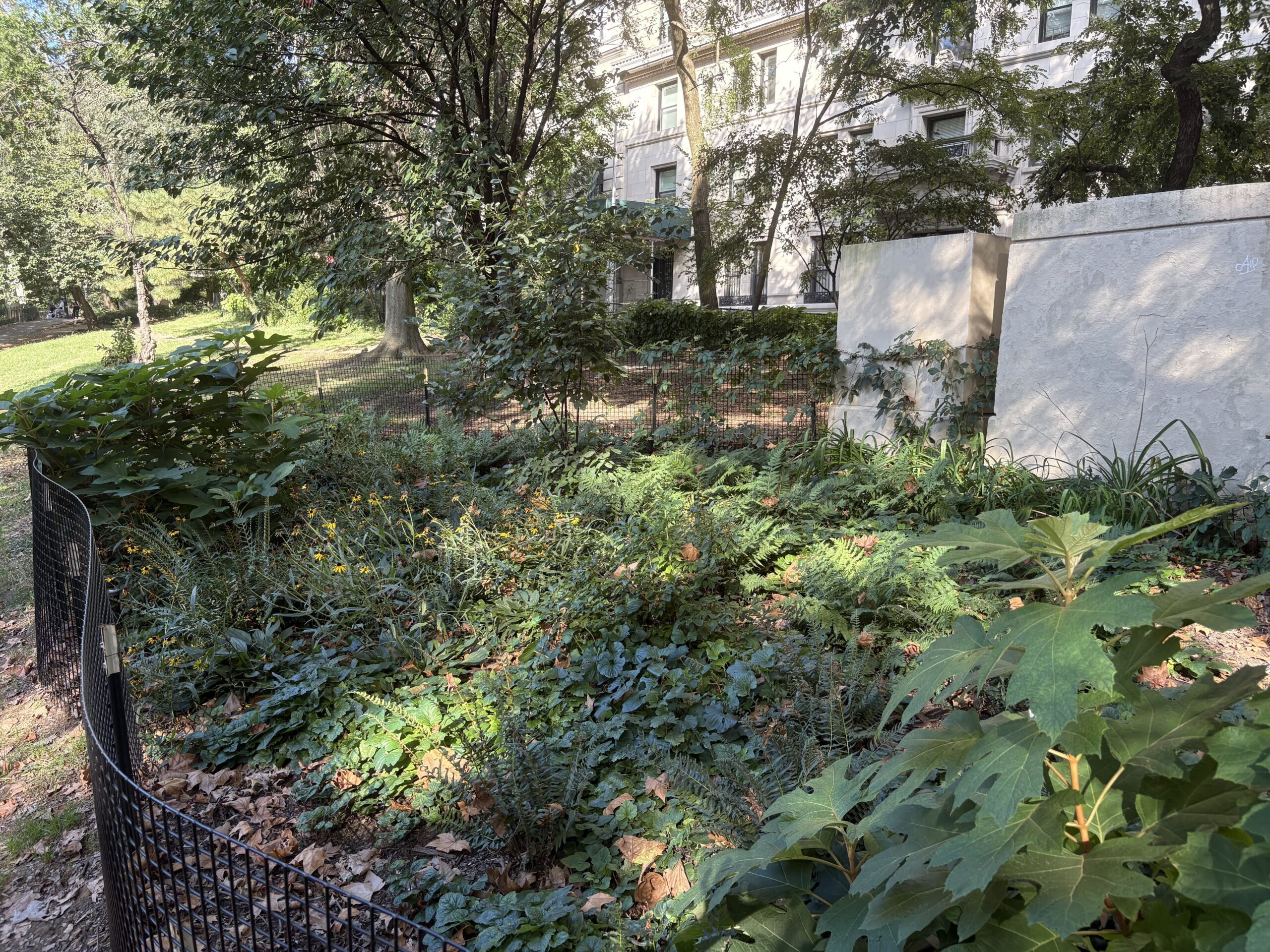 This garden on the Riverside Drive islands was originally bare grass and has been transformed by Rob’s vision. It was planted with shrubs and fenced off in spring 2024. They started with two types of ferns, marginal wood fern (Dryopteris marginalis) and Christmas fern (Polystichum acrostichoides). Highlighted plants in this garden include Tiarella, purple coneflower (Echinacea), and azaleas. The recent addition of irrigation has really helped the garden thrive. In terms of weeds, there isn’t too much to contend with besides smartweed and the occasional elm sucker. Rob applies thick leaf mulch to the beds to prevent unwanted growth. He also keeps an eye on the violets to make sure they don’t overgrow the garden.
Section 2 Gardener
Sadie
Favorite plant: Jewelweed, bleeding heart
Highlighted sections: Volunteer House garden, 105th Street garden
Volunteer House garden
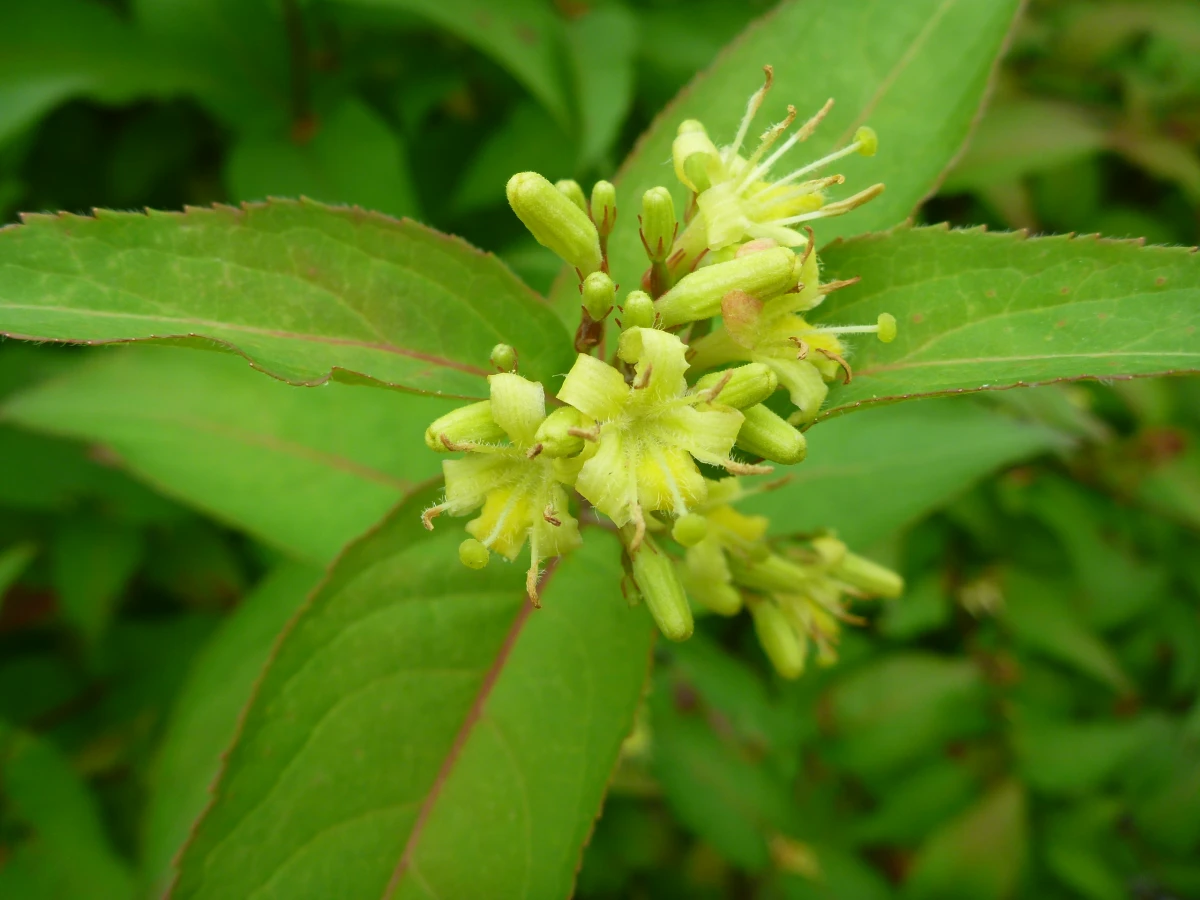
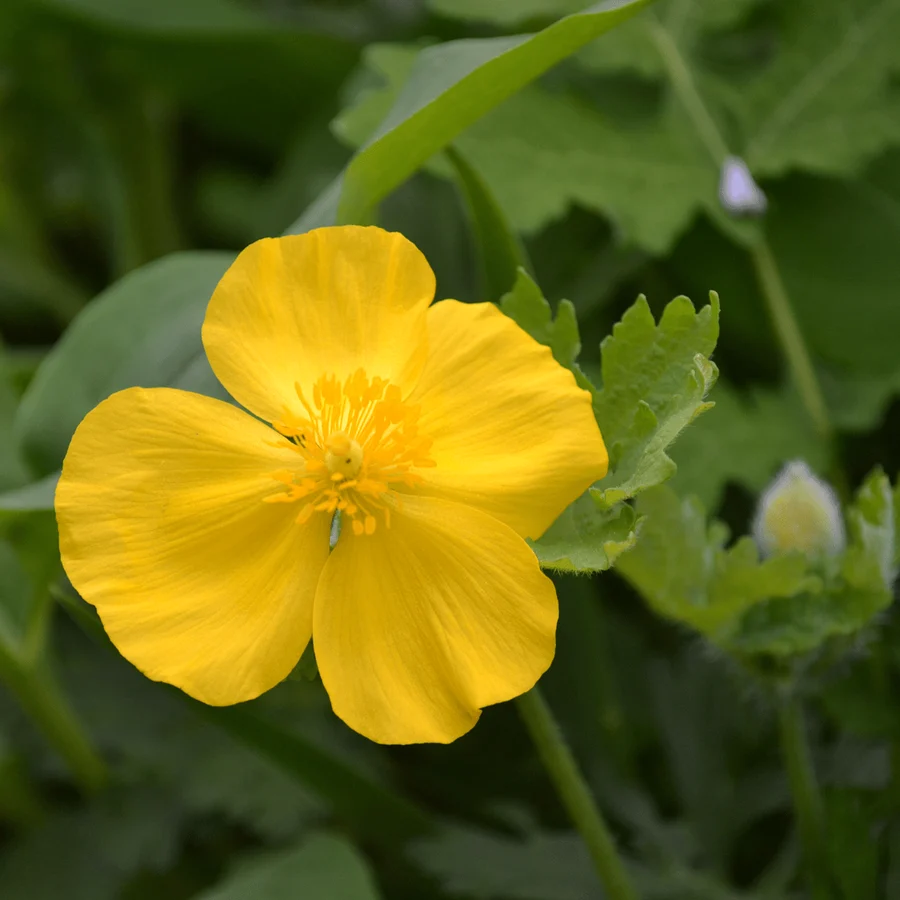
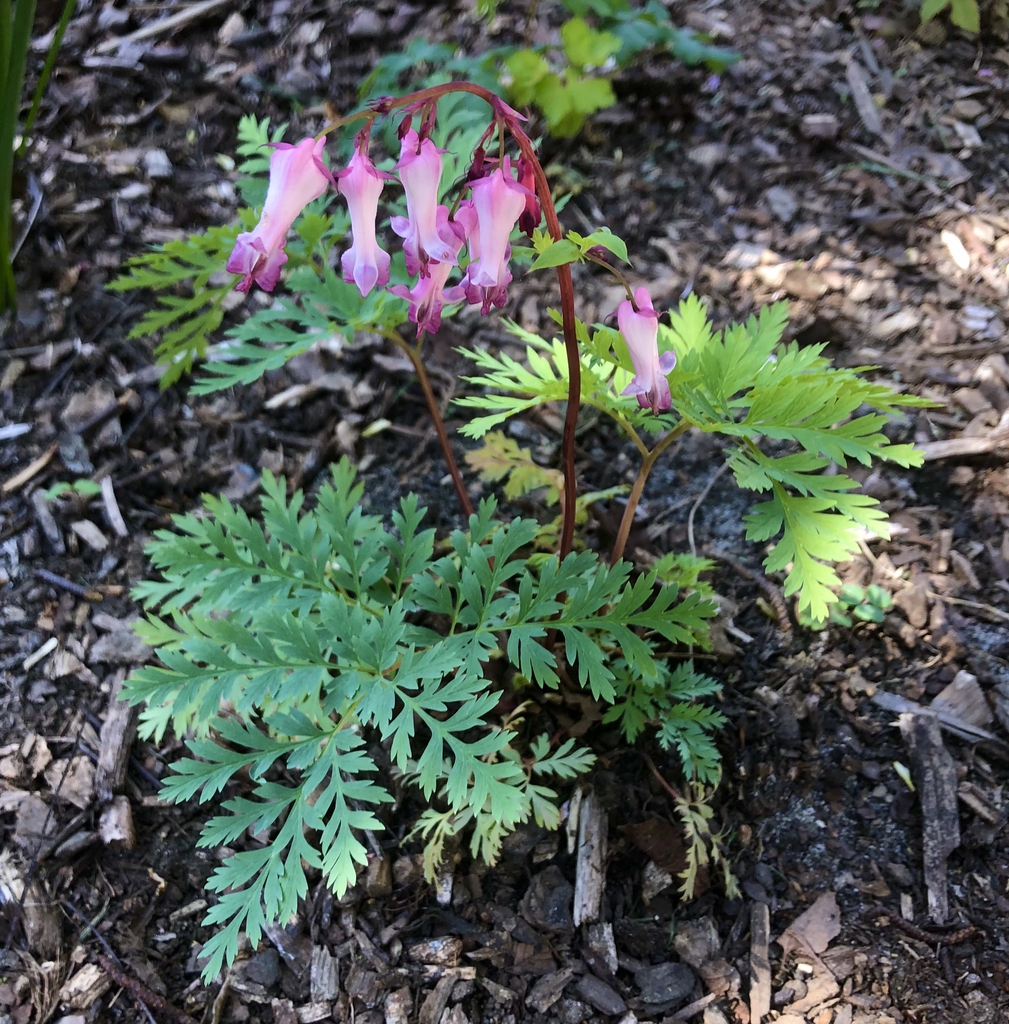
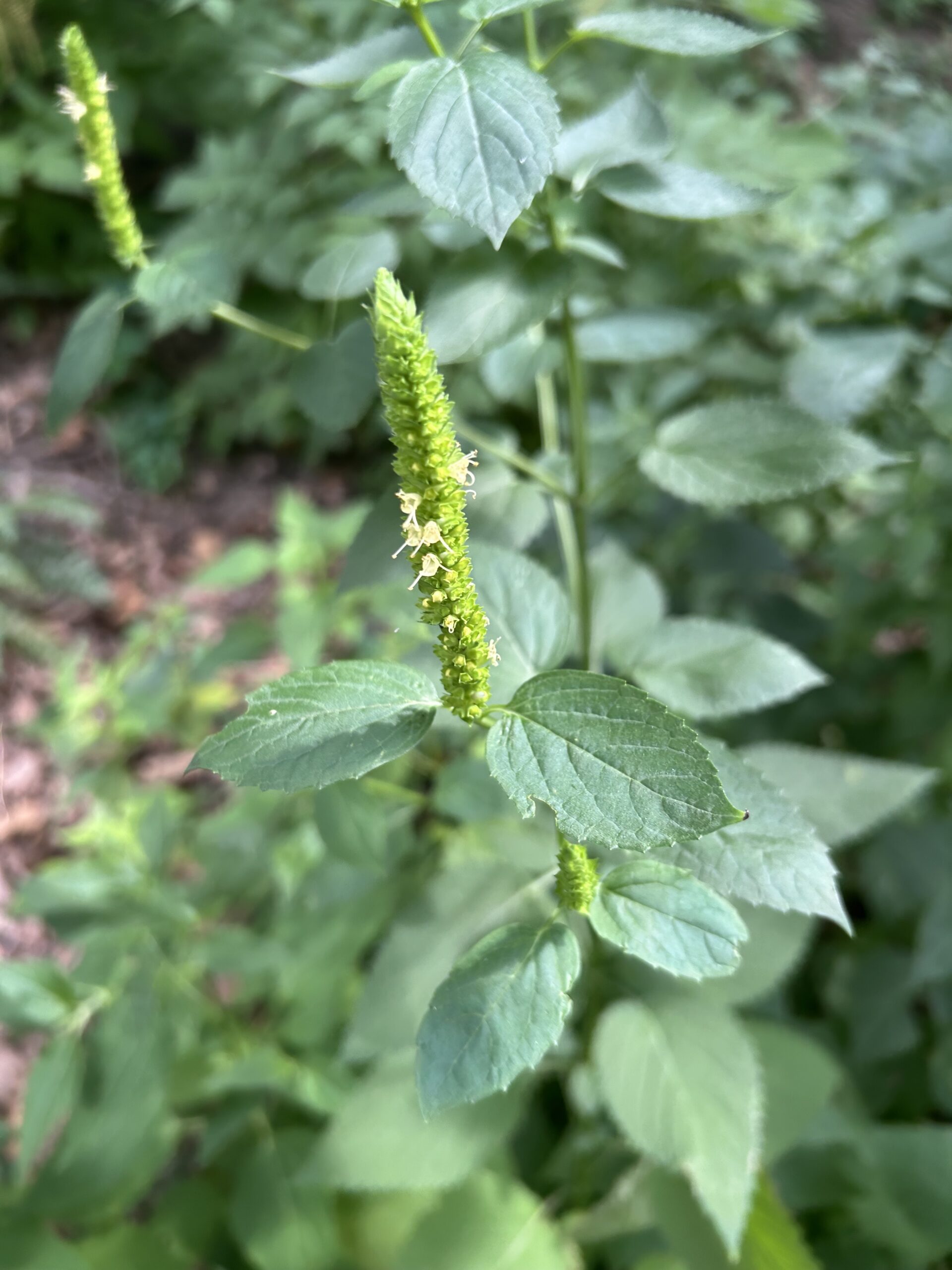
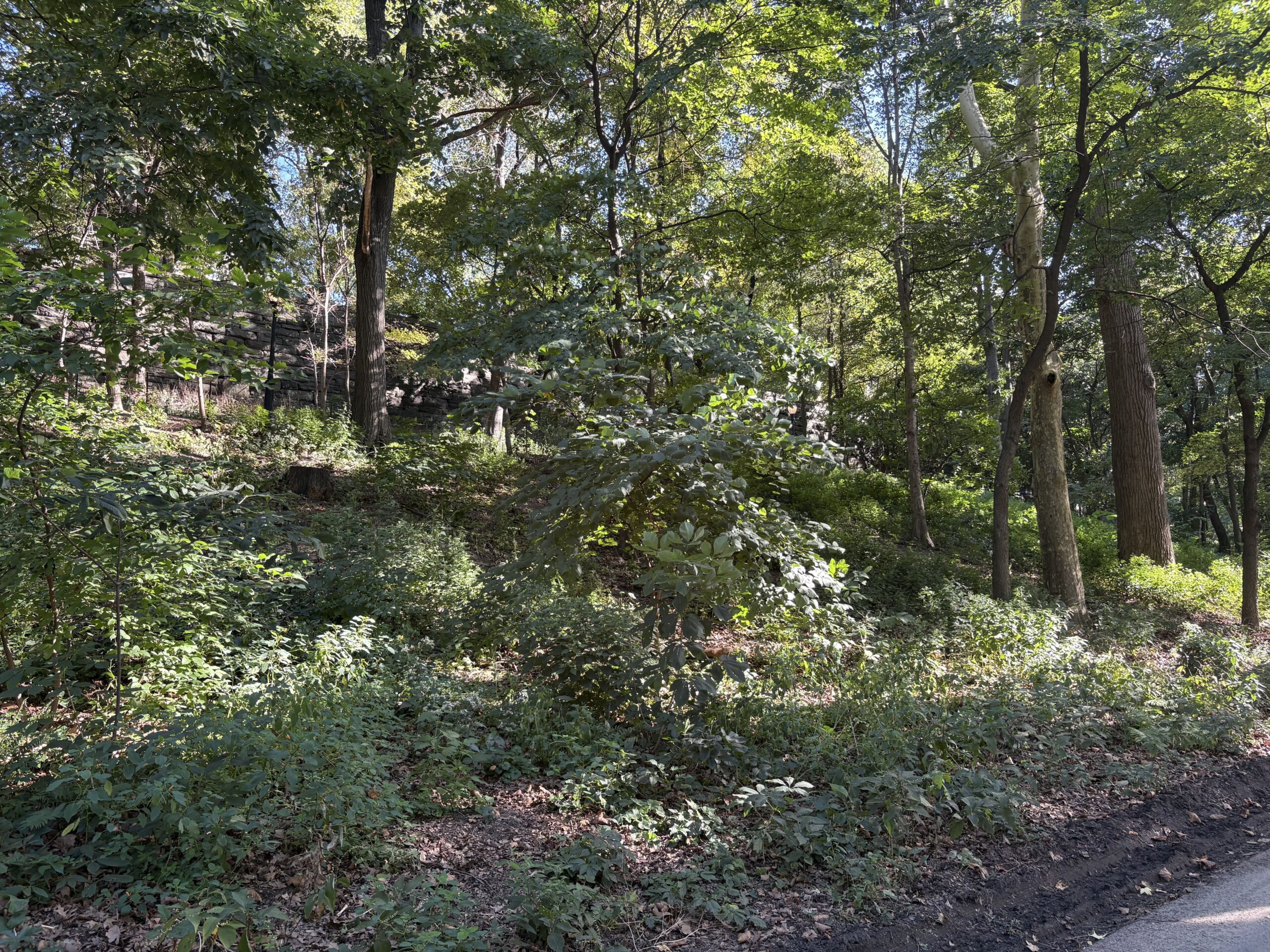 This welcome garden to the Volunteer House is beautiful in the spring! Over the years, Sadie and team have been trying to create a midstory of shrubs. They’ve planted some northern bush honeysuckle (Diervilla lonicera) and redbuds. Highlighted plants in this area include bleeding heart (Dicentra eximia), Joe-Pye weed (Eutrochium purpureum), jewelweed (Impatiens capensis) and celandine poppy (Stylophorum diphyllum). On the tour, we spotted a super cool find: Yellow giant hyssop (Agastache nepetoides), which is classified threatened in New York state. We also observed that fallen sweetgum balls have created a kind of mulch, tamping down any weed growth in this garden. Sadie does occasionally have to remove poison ivy, a little mugwort, and pokeberry.
105th Street garden
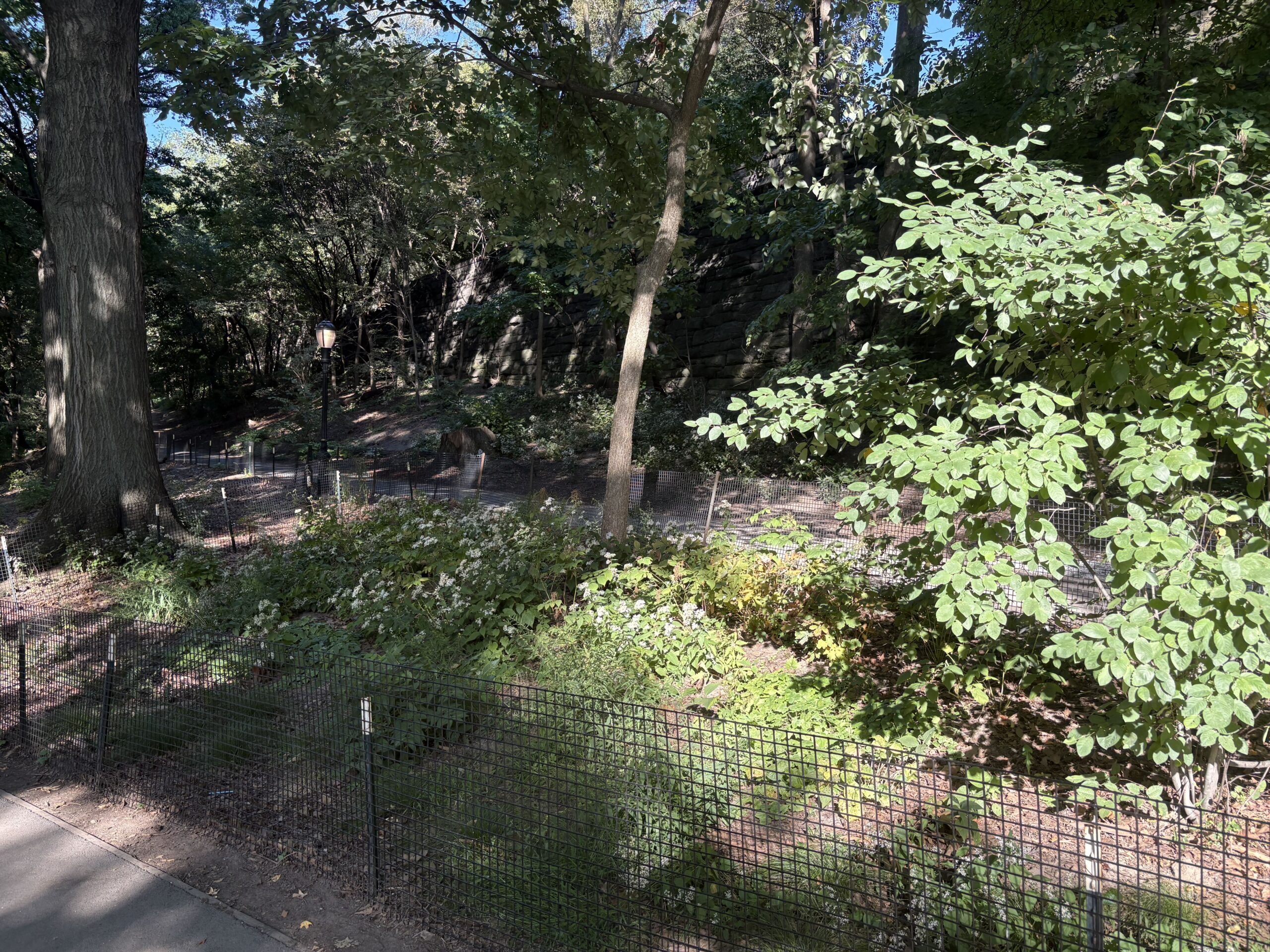
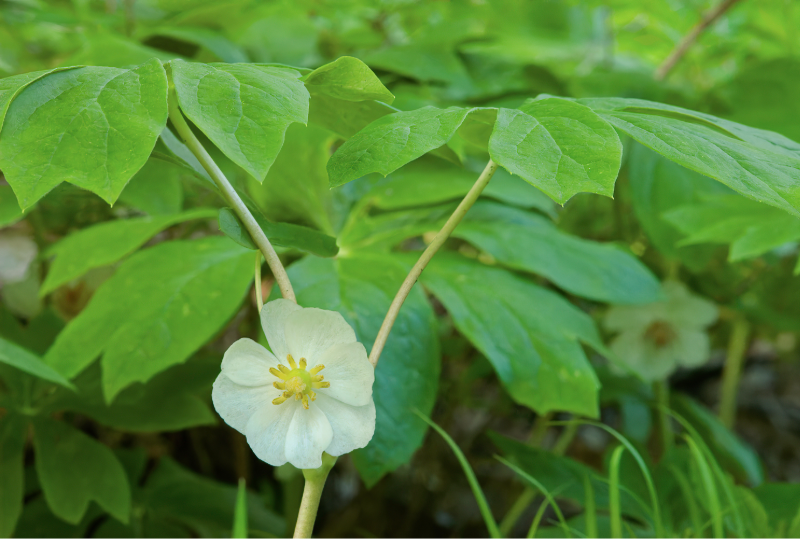
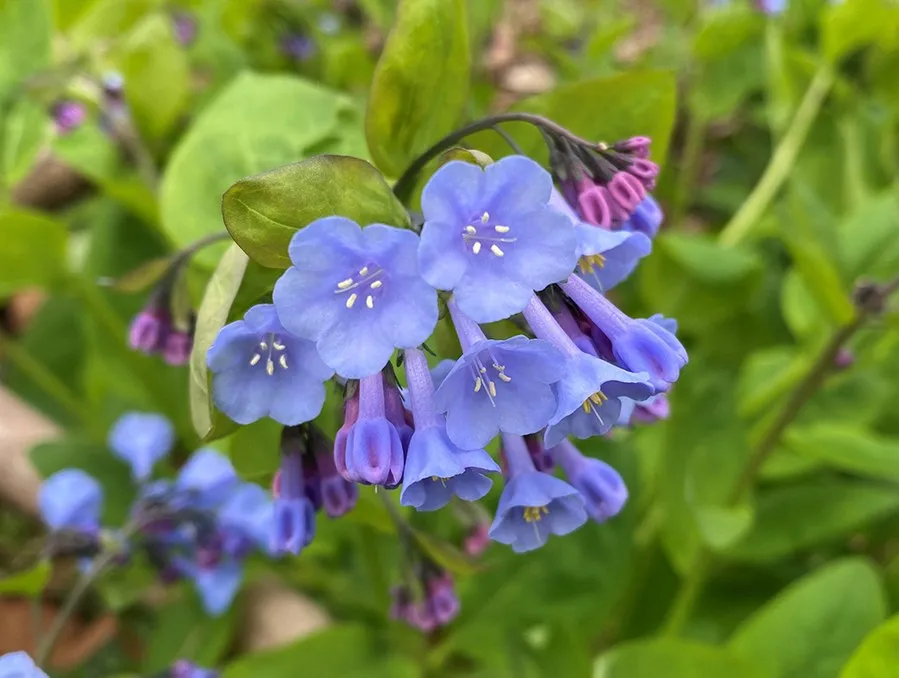
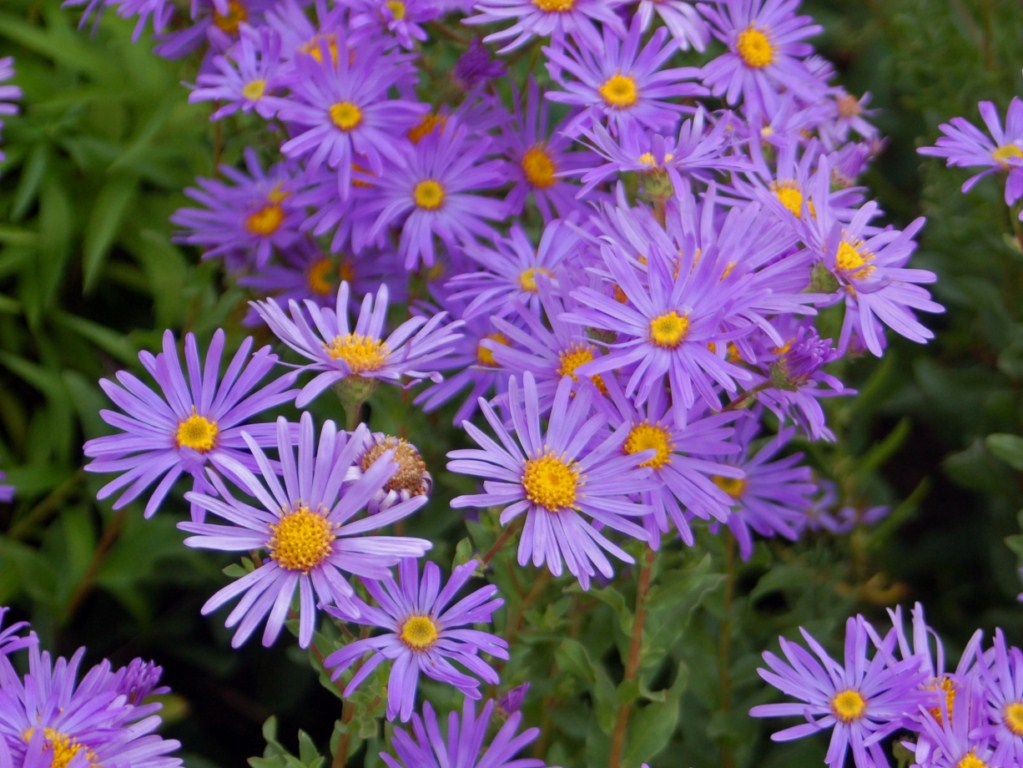
A brand new garden, planted by Sadie and her team. This little triangle garden boasts a mix of native plants, including goldenrod (Solidago), asters, celandine, Virginia bluebells (Mertensia virginica), Mayapple (Podophyllum peltatum) and some ferns. She plans on filling it out a bit more with time.
We have another staff Park Crawl planned for the spring, highlighting “Section 1” (72nd Street to 95th Street in Riverside Park). Stay tuned!