


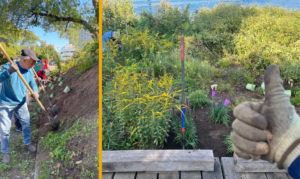

Restoration work is nearing completion in two of Upper Manhattan’s most significant natural areas.
For years, Riverside Park Conservancy has partnered with NYC Parks to steward the Forever Wild spaces in Riverside Park and Fort Washington Park. This latest phase, led by NYC Parks’ Natural Resources Group (NRG), represents the culmination of a multi-year effort to rebuild a healthy urban forest.
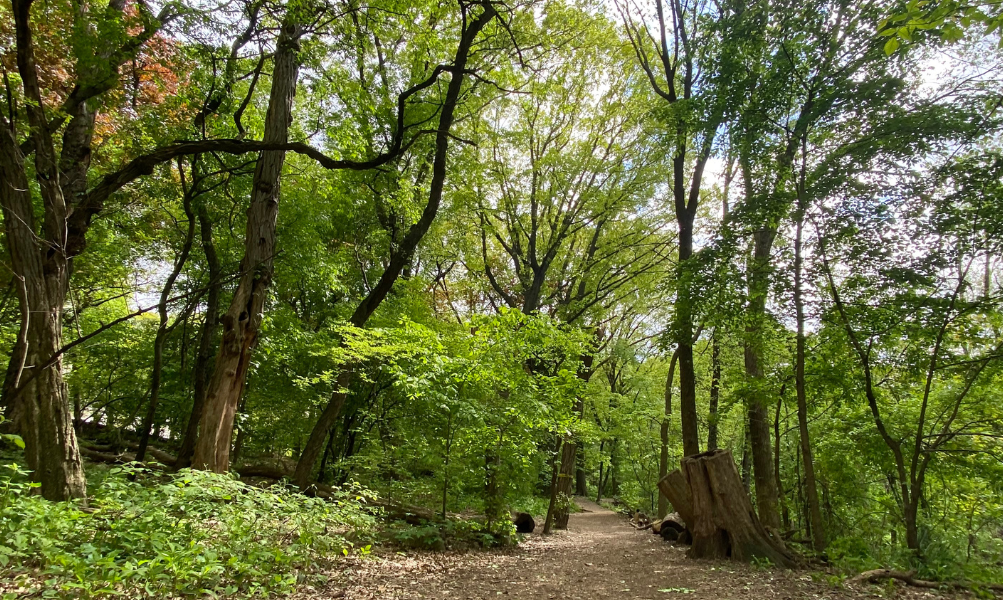
Designated “Forever Wild” areas are among the city’s most biodiverse ecosystems, lying at the intersection of two ecological regions where many mid-Atlantic and New England native plant species reach the edges of their natural ranges. Every spring and fall, tens of thousands of migratory birds also depend on these forests for food and shelter as they travel the Atlantic Flyway.
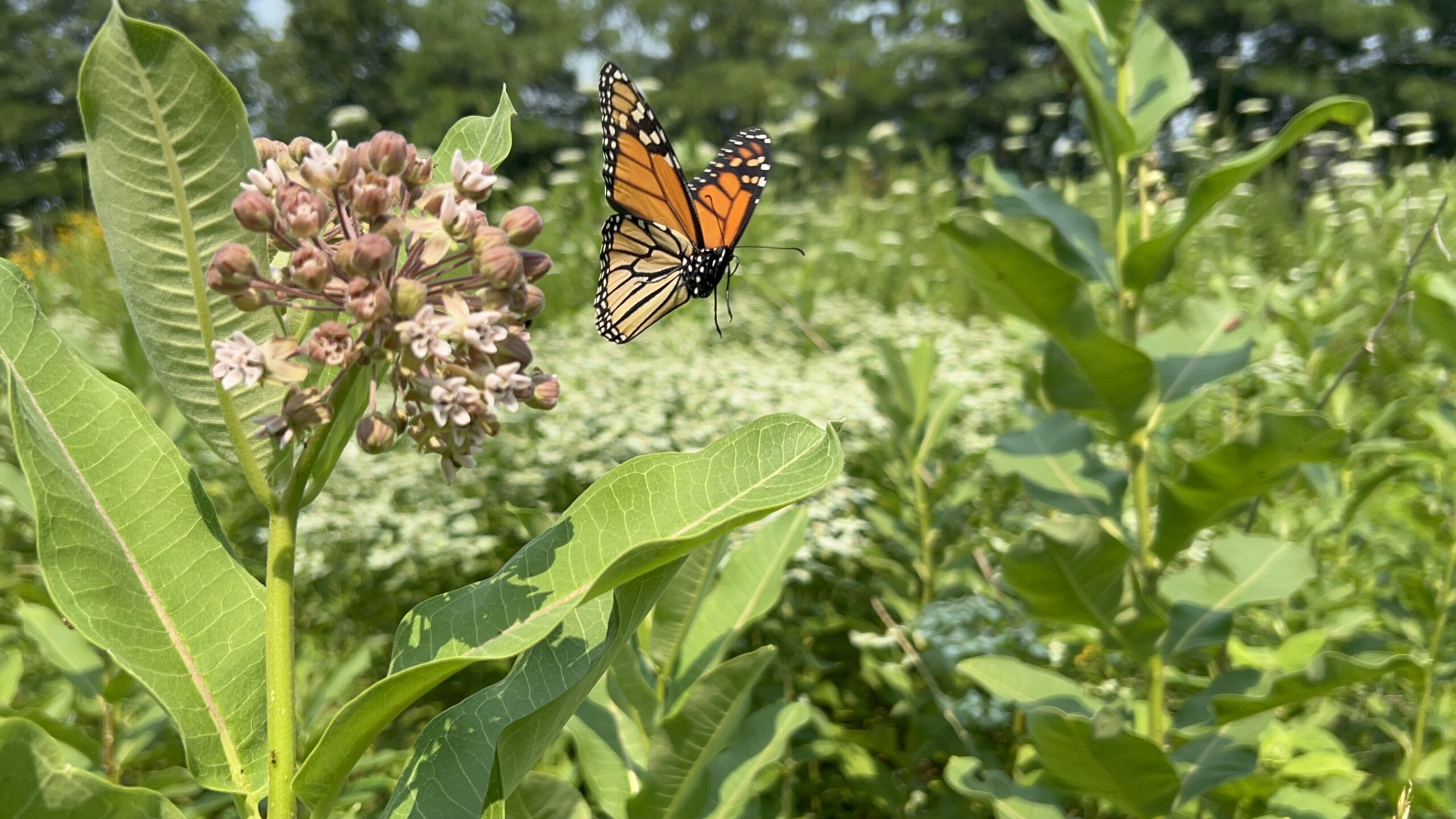
Beyond supporting plant life and wildlife, Forever Wild areas provide their human neighbors with opportunities to connect with nature, lowering stress levels and improving mental health.
At the same time, they strengthen the city’s overall climate resiliency by absorbing stormwater, reducing heat island effect, and sequestering carbon. Without care, however, these valuable areas can become overrun by fast-growing invasive plants, creating dense thickets that crowd out native vegetation, accelerate erosion, and diminish habitat for birds and other wildlife.
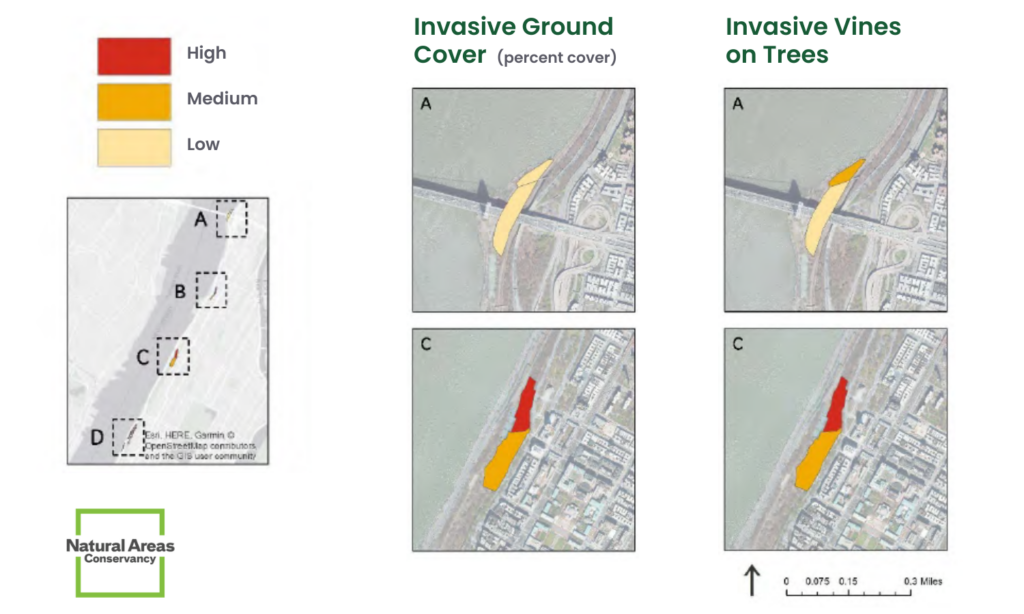
In 2019, Riverside Park Conservancy partnered with the Natural Areas Conservancy to conduct a detailed assessment of the park’s forested natural areas and develop a five-year management plan. The study identified priority areas for restoration, recommended science-based approaches to improve forest health, and estimated the staffing and resources the work would require. NYC Parks’ Natural Resources Group subsequently used this plan as a foundation to secure funding and develop the restoration now nearing completion in Riverside and Fort Washington Parks.
The two Forever Wild areas—located between West 116th and 121st Streets in Riverside Park and surrounding the George Washington Bridge in Fort Washington Park—had fallen into severe ecological decline. Fast-growing invasive plants, including knotweed (Reynoutria spp.) and mugwort (Artemisia vulgaris), displaced native understory plants, choked out native trees, increased soil compaction, worsened erosion, and reduced habitat for wildlife. With work beginning in 2023, NRG removed these harmful plants and planted nearly 500 native trees and woody shrubs while sowing herbaceous groundcover that, together, will grow into a diverse, multi-layered forest supporting biodiversity and healthy forest succession.
Fun Fact: Invasive plants thrive in areas where the soil is nutrient-rich, while native trees and vegetation in our region prefer nutrient-poor soil. (They’re hardy New Yorkers after all!) This restoration effort was careful to minimize soil disturbance in order to keep the soil nutrient content low and avoid creating conditions for regrowth of invasive plants.
Trees and shrubs planted in Riverside Park’s Forever Wild area include willow oaks (Quercus phellos) and flowering dogwoods (Cornus florida). In Fort Washington Park, new plantings include pitch pine (Pinus rigida) and serviceberry (Amelanchier canadensis). These plants aren’t scared of steep slopes and rocky conditions. Most of the trees and shrubs planted were grown from seeds collected locally by the NYC Parks Plant Ecology Center and Nursery (PECaN). Unlike standard nursery stock, they’re raised without fertilizers, making them better suited to thrive with little maintenance. They are also more resilient to drought and heavy rainfall. These new trees will improve air quality, provide shade and cooling, reduce erosion, capture stormwater that could otherwise contribute to flooding, and create habitat for countless beneficial insects and birds.
This restoration represents a fresh start for these natural areas. Invasive plants will continue to infiltrate the forest, but by planting densely and broadcasting seeds, the newly added native species should be able to establish themselves and outcompete over time. Equally important, continued human stewardship will be essential to ensure these forests thrive. Weeding the invasive plants and caring for the new trees and shrubs will require experienced gardeners with an understanding of natural areas maintenance. Because in a city like New York, even our wild places don’t stay wild on their own.
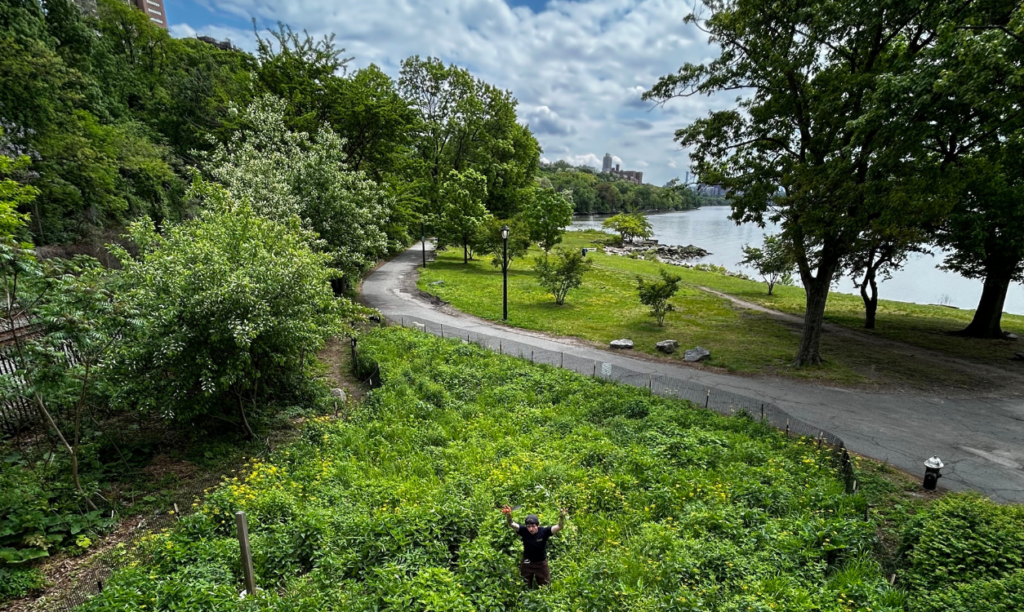
Goats Leading the Way
The Conservancy’s work to restore Riverside Park’s Forever Wild areas has taken many forms over the years—including our famous weed-eating goats! Beginning in 2019, goats helped clear dense invasive vegetation from the steep hillside near West 119th Street, creating access for the restoration work that followed.
→ Learn more about the Goatham program here.
A Forest Grows in West Harlem
Beyond the designated Forever Wild areas, Riverside Park is home many additional forested natural areas, and restoration work is also needed to bring them back to ecological health. Read about our latest multi-year initiative to restore 7.5 acres of our urban forest between 142nd and 151st Streets.